

Wolf Like Me
TV on the Radio
Return to Cookie Mountain · 2006
Upload a short audio sample, paste a media link, or record sound from your device. No account required.
MP3, WAV, FLAC, M4A, OGG and common video formats
Choose a filePaste a direct link to an audio file. Supports MP3, WAV, OGG, FLAC, and other audio formats.
Record a short sample from your microphone
Live examples from the catalog — tracks people identify with Music Identifier

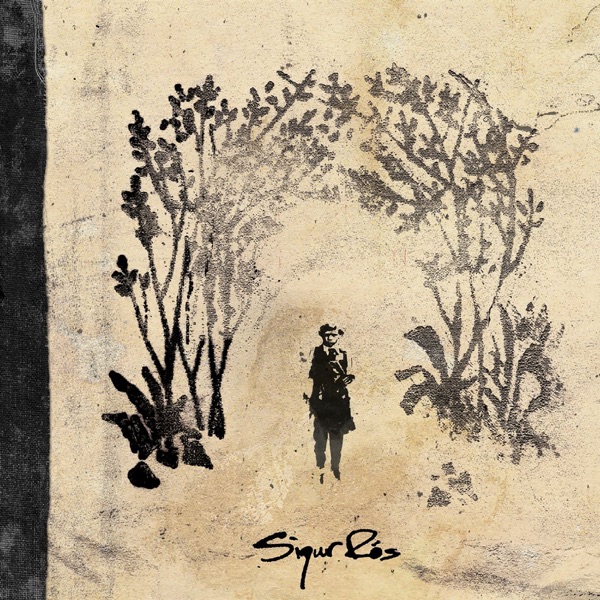
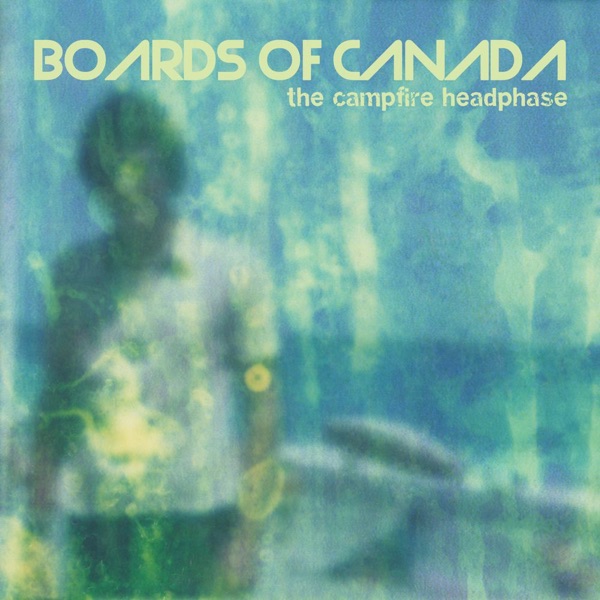
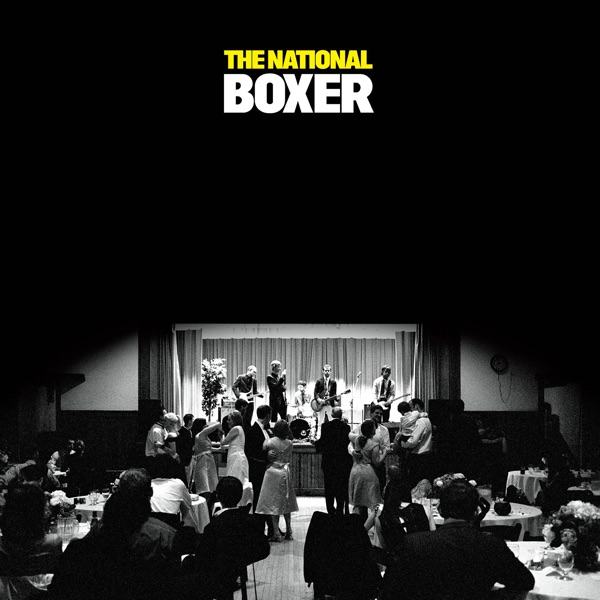


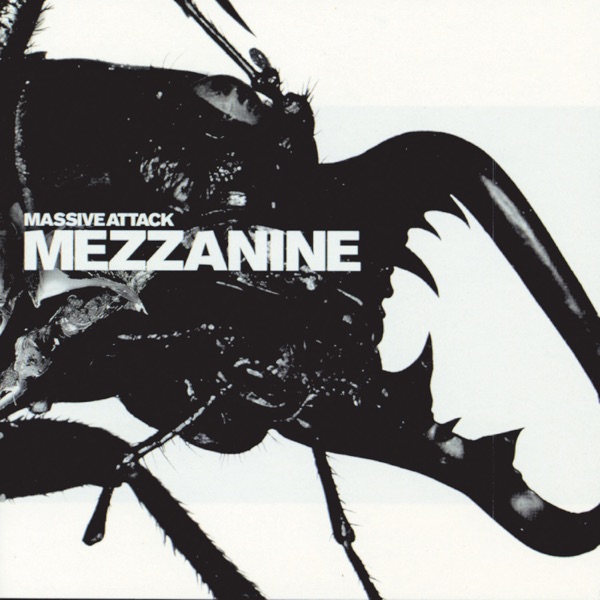
A straightforward flow built around the way people actually search for music: provide a clue, let the system analyze it, and get a useful result.
Upload a clip, paste a supported media link, or record a short sample from your microphone.
The recognizer examines the audio fingerprint and searches for the closest match in its music catalog.
View the title, artist, cover art, and useful next links when a match is available.
A clean set of music utilities for identifying, understanding, and preparing audio — all organized in one place.
Analyze an audio clip to estimate its tempo in beats per minute.
Explore →Estimate musical key and scale for mixing, practice, or analysis.
Explore →Cut a long recording down to the section that matters.
Explore →Prepare noisy recordings before recognition or listening.
Explore →Shape frequency balance with an 8-band equalizer in your browser.
Explore →Control dynamics with threshold, ratio, attack, release, and makeup gain.
Explore →Estimate chord sequences from a clip using local chroma analysis.
Explore →Convert audio or video files to WAV locally in your browser.
Explore →The experience is deliberately lightweight: clear actions, useful outputs, and no unnecessary steps between you and the track.
Everything starts with one goal: turning an audio clue into something you can actually use.
Open the tool and get started without creating a profile or filling in forms.
Trim, inspect, or clean up audio before trying recognition again.
A calm interface keeps the focus on the audio instead of burying the workflow in controls.
Track results are designed to help you continue listening, searching, or analyzing.
The toolkit is being built for quick use on desktop and mobile, without extra software.
Music rarely arrives with a neat title attached to it. You hear a few seconds in a short video, catch a track underneath a livestream, hear something in a café, or remember a melody from an old recording — and suddenly you want to know exactly what it is.
That is where Music Identifier is designed to help. Instead of requiring a perfect starting point, the experience is built around the clue you already have: an audio clip, a media link, or a quick recording. The goal is to turn that small clue into a useful track result without adding unnecessary steps.
Some songs are easy to find. Others are buried in remixes, live performances, edits, sped-up clips, or noisy recordings. Supporting tools such as trimming, BPM detection, key analysis, lyric search, and similar-song discovery are being organized around those harder cases.
Whether you are trying to remember something you heard yesterday, identify music from a video, prepare audio for a project, or simply satisfy your curiosity, Music Identifier is being built to make music discovery feel quick and straightforward.
Everything you need to know about finding music, using the recognition tool, and getting the most from the Music Identifier toolkit.
Music Identifier is being built to identify a track from a short audio clue. The planned experience covers uploaded clips, supported media links, and short recordings, so you can start with the piece of music you already have rather than searching from scratch.
No. The website is designed around a quick browser workflow without making you create an account before you can use the core music tools.
Yes. A video can contain the audio clue needed for recognition. The planned recognizer will support common audio and video files as well as supported links, making it useful for clips from social media, streams, and other browser content.
Short or noisy recordings can make recognition more difficult. The toolkit is being designed with practical helpers such as audio trimming and noise cleanup, so you can prepare a better sample before trying again.
The toolkit will gradually include utilities for lyrics, similar songs, BPM, musical key, audio analysis, track information, trimming, and other common music-related tasks. Each tool will focus on one clear job and remain easy to access from the browser.
The core website experience is being built around free access and a simple, no-account workflow. As the toolkit grows, individual tools may have their own capabilities and limits, but the aim is to keep everyday music discovery straightforward.
Music Identifier listens to the audio playing in your browser and helps you discover the song, artist, and track details in a few clicks. Keep it ready for videos, streams, mixes, and those songs you cannot place.